Living Egyptian
The “Method” course by Ksenia Usacheva
Module 8 · Yesterday: telling our story
Draft — native-speaker review in progress

How to work through this module
A simple route — go top to bottom and it all clicks.

- 1Listen to the scenes: tap the speaker on every line and follow the transcription. Play each phrase at least twice.
- 2Repeat OUT LOUD after the voice — from the very first scene. Nobody's listening, and your mouth learns only by sound.
- 3Run the trainer: keep doing rounds until it feels easy. Every word in it comes from this module.
- 4Take the module test — 75% or higher means you're ready to move on.
- 5Record your voice assignment — a real teacher will listen and give you personal pronunciation feedback.
- The module takes 2–3 hours. No need to do it in one sitting — come back in chunks, your progress stays.
Don't know the Arabic letters? Perfect — that's by design. You can even switch the script off below and study with transcription only.
What you'll be able to do after this module
After this module you can tell stories: where you went, what you saw, ate and bought (the past tense!), say “it was / I had” and “I didn't sleep, we didn't see”, compare things (“bigger than the photos!”, “the best koshari in Cairo”) — and tell the story of your year in Egyptian. It's the finale of the route's first arc — and the start of your own hikAya: arc two, modules 9–12, lies ahead.
How to read our transcription
This is the Method's signature transcription — the same one as in the video transcripts: colours mark the special sounds, and you can read it without knowing a single Arabic letter.
- CAPITALthe stressed vowel — lean on it with your voice: mazbUt, shUkran
- s d t zص ض ط ظred — the “heavy” sounds: big round mouth, dense sound
- ghغa gargled sound, like the French r: ghAli
- hحblue — breathy, a warm sigh from deep in the throat: hAder
- khخraspy, like clearing your throat: khAmsa
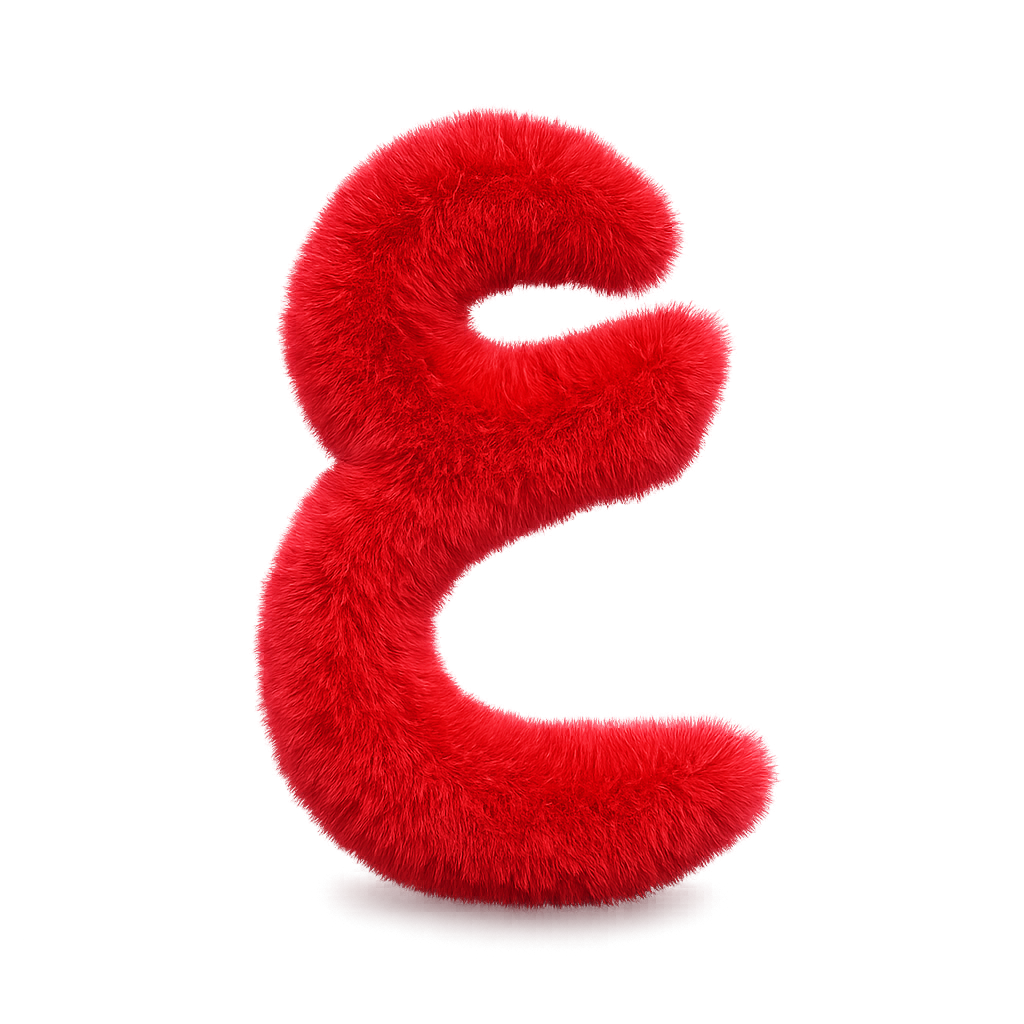
- aa / 3عthe deep throaty sound — the signature “Ayn”
- 'ق ءa short catch-pause in the throat: 'Ahwa
- wوa lippy “w”, as in English: wAhed
- shشa soft “sh”: shAy, shUkran
- gجin Egypt this letter is a hard “g”: ginEh
Scene
Welcome back!
Sunday evening. Anya hauls her suitcase up to the third floor — and runs into Madame Samia.
🇪🇬 How it's done in Egypt: Someone back from a trip (or recovered from illness!) is greeted with hamdUlla 3as-salAma — “thank God you're safe”. The reply you already know: allA yisallImik. Egyptian formulas come in pairs — learn the pair and the talk flows by itself.
Madame Samia
أهلا أنيا! نورتي البيت! كانت الرحلة عاملة إيه؟
Ahlan Anya! nawwArti il-bEt! kAnet er-rIhla 3Amla E?
Anya! You've lit up the building! How was the trip?
💡 kAnet — “it was (f)”: kAn changes gender too
Anya
كانت جميلة أوي! رحنا الأهرامات والمتحف.
kAnet gamIla Awi! rUhna il-ahramAt wil-mAthaf.
It was wonderful! We went to the pyramids and the museum.
💡 rUhna — “we went”: the familiar rUh in the past
Madame Samia
وشفتي أبو الهول؟
wi-shUfti Abul-hOl?
And did you see the Sphinx?
Anya
شفته طبعا! وركبنا فلوكة في النيل.
shuftU TAb3an! wi-rkIbna filUka fin-nIl.
Of course I did! And we rode a felucca on the Nile.
💡 shuft-U — “I saw IT”: a golden ending hooked onto a verb!
Madame Samia
يا سلام! والأكل؟ أكلتي كشري هناك؟
ya salAm! wil-Akl? akAlti kOshari hinAk?
Lovely! And the food? Did you have koshari there?
Anya
أكلت كشري في أحسن مطعم في مصر!
akAlt kOshari fi Ahsan mAT3am fi maSr!
I had koshari at the best place in Cairo!
💡 Ahsan + noun = “the best …” — comparison with zero extra words
Madame Samia
واشتريتي حاجة من خان الخليلي؟
wa-ishtarEti hAga min khAn il-khalIli?
And did you buy anything at Khan el-Khalili?
Anya
اشتريت فانوس حلو للبلكونة.
ishtarEt fanUs hIlw lil-balakOna.
I bought a lovely lantern for the balcony.
Madame Samia
حمد الله عالسلامة يا حبيبتي!
hamdUlla 3as-salAma ya habIbti!
Thank God you're back safe, dear!
Anya
الله يسلمك!
allA yisallImik!
And health to you!
💡 the same reply as to alf salAma in module 5 — formulas travel in pairs
Scene
Look at these photos!
Dalia picks Anya up from the station — full circle: the same taxi again. Photo report on the way.
Dalia
نورتي الغردقة تاني! كان إيه أحلى حاجة في مصر؟
nawwArti il-ghardA'a tAni! kAn E Ahla hAga fi maSr?
You've lit up Hurghada again! What was the loveliest thing in Cairo?
💡 Ahla hAga — “the loveliest thing”: like Ahsan, but for beauty
Anya
بصي الصور! دي الأهرامات...
bUSSi eS-Suwar! di il-ahramAt…
Look at the photos! These are the pyramids…
💡 buSS/bUSSi — “look!” (m/f): every storyteller's favourite
Dalia
يا سلام! وده إيه؟
ya salAm! wa-da E?
Wow! And what's this?
Anya
ده أبو الهول. كان أكبر من الصورة بكتير!
da Abul-hOl. kAn Akbar min eS-SUra bi-ktIr!
That's the Sphinx. It was way bigger than in the photos!
💡 Akbar min — “bigger than”; bi-ktIr — “by far”
Dalia
ودي مين؟
wa-di mIn?
And who's this?
💡 mIn? — “who?”: yet another end-of-sentence question
Anya
دي منى على الفلوكة. الجو كان جميل والمية كانت هادية.
di mUna 3alal-filUka. il-gAww kAn gamIl wil-mAyya kAnet hAdya.
That's Mona on the felucca. The weather was lovely and the water was calm.
Dalia
وما تعبتيش من الرحلة؟
wa-ma-ti3ibtIsh min er-rIhla?
And the trip didn't wear you out?
💡 ma-ti3ibtIsh — the past inside the same ma-…-sh hug!
Anya
تعبت شوية، بس ما نمتش في الأوتوبيس — كنت مبسوطة أوي!
ti3Ibt shwAyya, bass ma-nImtish fil-otobIs — kUnt mabsUTa Awi!
A little, but I didn't sleep on the bus — I was too happy!
💡 kUnt — “I was”: kAn with an ending
Scene
Remember the first day?
The same café, the same table where it all began. A mazbUt coffee — ordered without any prompts now.
🇪🇬 How it's done in Egypt: SAhbiti — “my (girl)friend”, from SOhba — “companionship”. Egyptian friendship moves fast: yesterday the next table, today a feast at mum's, tomorrow a trip together. You watched it happen to Anya. Now it's your turn.
Mona
فاكرة أول يوم يا أنيا؟
fAkra Awwel yOm ya Anya?
Remember the first day, Anya?
💡 fAkir/fAkra — “remembering”: one more state word
Anya
طبعا فاكرة! من سنة كنت عارفة كلمتين بس: «أهلا» و«شكرا».
TAb3an fAkra! min sAna kUnt 3Arfa kilmitIn bass: “Ahlan” wi-“shUkran”.
Of course! A year ago I knew exactly two words: “hi” and “thanks”.
💡 kilmitIn — “two words”: that -tIn one last time!
Mona
ودلوقتي بتتكلمي عربي!
wa-dilwA'ti bititkAllimi 3Arabi!
And now you speak Arabic!
Anya
اتعلمت كتير: قعدت في القهوة، وسألت عن الأسعار، وركبت تاكسي، ولقيت شقة حلوة...
it3allImt kitIr: 'a3Adt fil-'Ahwa, wi-sa'Alt 3an il-as3Ar, wi-rkIbt tAksi, wa-la'Et shA''a hIlwa…
I've learned so much: sat in cafés, asked prices, rode taxis, found a lovely flat…
Mona
وعييتي وخفيتي، وسافرتي مصر كمان!
wi-3ayyEti wa-khaffEti, wa-safIrti maSr kamAn!
And you got ill, got better, and made it to Cairo too!
Anya
كل ده في سنة واحدة! والسنة الجاية هاتعلم أكتر، إن شاء الله.
kull da fi sAna wAhda! wis-sAna il-gAyya ha-t3allIm Aktar, in shA: allA.
All that in one year! And next year I'll learn even more, God willing.
💡 Aktar — “more”: the route's last comparison word
Mona
يلا يا صاحبتي — دي بداية الحكاية بس!
yAlla ya SAhbiti — di bidAyet il-hikAya bass!
Onward, my friend — this is only the beginning of the story!
💡 bidAyet il-hikAya — “the beginning of the story”: one farewell idafa
Module vocabulary
Tap the speaker and repeat out loud — native-voice audio. To test yourself, hide the translation or the word itself: tap anything hidden to peek.
Yesterday and before
The past: I-forms
We and you in the past
What it was like: comparisons
Final story phrases
First letters — just recognise them
You already say these words. See how they're written — no writing needed yet.

Why does a letter have four shapes?
Arabic letters are written joined-up — like cursive handwriting: a letter holds hands with its neighbours and changes shape at the start, middle and end of a word. It is the SAME letter, just with different “tails”. No European language does this, so it feels strange at first. Watch the letter Meem (“m”, in red) live inside three words:
مِن
мин
initial
تَمام
тамЭм
medial
اِسْم
исм
final
No need to worry: you'll learn to recognise the shapes gradually, word by word — no handwriting required at this stage.
Ta marbuta (“the ta tail”)
not a letter but the feminine end-mark: usually sounds “a” (Oda, shA''a), but wakes up as “t” inside an idafa (Odet en-nOm). You've known her since module 4!
ة
isolated
ـة
final
—
medial
—
initial
- قَهْوة'Ahwa— coffee
- أوضة النومOdet en-nOm— bedroom (the “t” woke up!)
- حِكايةhikAya— story
Hamza
the glottal stop — like the catch in “uh-oh”. It flies solo (ء) or perches on seats: أ / ؤ / ئ. Cairo's ق sounds exactly the same — hence “'Ahwa”!
ء
isolated
ئ
final
ؤ
medial
أ
initial
- سُؤالsu'Al— question
- لأla— no
Alif maqsura
an “alif wearing a ya costume”: written like a dotless ي, sounds like “a”. Lives only at the end of words — a few, but very frequent ones.
ى
isolated
ـى
final
—
medial
—
initial
- عَلَى3Ala— on
- مُنىmUna— Mona (the name)
- أَحْلَىAhla— the loveliest
Magic text
The Method's signature trick: this is a normal English text, but the letters you already know are ARABIC — shown in the shape they would take inside a real word. Read as usual — your eyes get used to the script by themselves. The “which letter = which sound” cheat sheet is on the panel above. Tap an Arabic word and it speaks, with its transcription written right next to it.
20 of 20 letters enchanted
Each chip is a cheat sheet: the Arabic letter = the sound it replaces. Tap a chip to switch that letter on or off in the text. Inside the text the letter changes shape — it looks different at the start, middle and end of a word (hover it and it introduces itself).
Oـن اـنــيــا'س بــاـلـcoـنــي ثـeـرe نـoـو حــاـنــجــس ا فــرoـم خــاـن eـل-خــاـلـiـلـi: coppeـر, pـاـتــتـeـرـنـeـد, ا وـاـرـم بـuـلــب iـنــسـiـدe. Iـن ثـe eveـنـiـنــج iـت pـاiـنــتــس لــاce oـن ثـe وـاـلــل, اـنــد ثـe بــاـلـcoـنــي بـecoـمـeـس ا لـiـتــتــلـe piece oـف Cـاiـرo. اـنــيــا iـت اـفــتـeـر حــاـلــف اـن حـouـر oـف حــاـجــجــلـiـنــج — اـنــد pـاiـد حــاـلــف ثـe opeـنـiـنــج pـرice. ثـe سـeـلــلـeـر'س pـاـرـتـiـنــج وoـرـدـس: يـou بــاـرـجــاiـن, , لـiـكـe ا تــرue Eـجــيـpـتـiـاـن!
- fanUs— lantern
- ishtarEt— bought
- ya ustAza— madam
Phrase bricks
An Egyptian phrase is a builder's kit: words simply stand next to each other, in the same order you say them. Read the bricks left to right: each shows a word and its literal meaning. Tap a brick to hear the word, tap the speaker on the right for the whole phrase.
We went to the pyramids.
💡 The past lives in the ending: ruh + -na (“we”). No prefixes at all.
The weather was lovely.
💡 kAn is the time machine: drop it in and a verbless phrase travels to the past.
I didn't sleep on the bus.
💡 The same ma-…-sh hug as in the present — one rule for the whole language.
This one is bigger than that one.
💡 min here means “than”: the same min as “from” in module 1. One word, two jobs.
How it works
The past: the endings reach the verb
The past is built with endings — and you know them well: rUht (I went), rUht (you m — same as “I”!), rUhti (you f), rAh (he), rAhet (she), rUhna (we), rAhu (they). No prefixes: root + ending. shUft, akAlt, ishtarEt, 'a3Adt — a whole evening of stories in four words.
- رحنا مصر الأسبوع اللي فاتrUhna maSr il-usbU3 Illi fAt— we went to Cairo last week
- شفت الأهرامات أول مرةshUft il-ahramAt Awwel mArra— I saw the pyramids for the first time
- اشتريتي إيه من السوق؟ishtarEti E min es-sU'?— what did you buy at the market?
kAn — the time machine
kAn carries any verbless sentence into the past: il-gAww gamIl (the weather is lovely) → il-gAww kAn gamIl (it was lovely). Feminine — kAnet, “I/you” — kUnt. And the star trick: kAn + 3Andi = “I HAD”: kAn 3Andi… Didn't have? ma-kAnsh 3Andi. A familiar pattern just gained a second tense.
- الجو كان جميل أويil-gAww kAn gamIl Awi— the weather was lovely
- كنت مبسوطة طول الرحلةkUnt mabsUTa TUl er-rIhla— I was happy the whole trip
- زمان ما كانش عندي أصحاب هناzamAn ma-kAnsh 3Andi aS-hAb hEna— back then I had no friends here
“Didn't sleep, didn't go” — the hug works yesterday too
The past negates with the same ma-…-sh hug: rUht → ma-ruhtIsh (I didn't go), nImt → ma-nImtish (I didn't sleep), shUfna → ma-shufnAsh (we didn't see). One rule has run the whole course: mafIsh, ma3andIsh, ma-bahibbIsh, ma-tit'akhkharIsh — and now ma-ruhtIsh. There's nothing left for negation to teach you.
- ما رحتش الشغل امبارحma-ruhtIsh esh-shUghl imbArih— I didn't go to work yesterday
- ما نمتش في الأوتوبيسma-nImtish fil-otobIs— I didn't sleep on the bus
- ما شفناش خان الخليلي — المرة الجاية!ma-shufnAsh khAn il-khalIli — il-mArra il-gAyya!— we didn't see Khan el-Khalili — next time!
Comparisons: bigger, better, the best
Comparing is easy: Akbar min (bigger than), Ahsan min (better than), Ahla min (lovelier than) — plus bi-ktIr (“by far”) when the gap is huge. And “the most” is the same word WITHOUT min, right before the noun: Ahsan mAT3am (the best restaurant), Ahla hAga (the loveliest thing). One form covers both — Egyptian economy, one last time.
- أبو الهول أكبر من الصورة بكتيرAbul-hOl Akbar min eS-SUra bi-ktIr— the Sphinx is way bigger than the photo
- الكشري هنا أحسن من أي حتةil-kOshari hEna Ahsan min Ayy hItta— the koshari here is better than anywhere
- دي كانت أحلى رحلة في حياتيdi kAnet Ahla rIhla fi hayAti— it was the loveliest trip of my life
fAkir and 3Arif: the state collection is complete
The last two state words live in the head: fAkir/fAkra (remembering), 3Arif/3Arfa (knowing). Ana fAkra Awwel yOm (I remember the first day), mish 3Arfa (I don't know). Now count the collection: 3Ayz, rAyih, gayy, shaghghAl, gAhiz, mabsUT, ta3bAn and the whole -An family, fAkir, 3Arif… Eight modules in, half your conversation runs with no conjugation at all. That's Egyptian's signature key.
- أنا فاكرة كل حاجةAna fAkra kull hAga— I remember everything
- انتي عارفة الطريق؟Enti 3Arfa eT-TarI'?— do you know the way?
- مش فاكرة الكلمة — ثانية واحدة!mish fAkra il-kIlma — sAnya wAhda!— can't recall the word — just a sec!
Build your story
Build your story
The final skeleton — the story of your year (or your trip): how things were, what you did, what you learned and what comes next. Past tense + kAn + one ha- at the end. Tell it in full — it's the route's last voice assignment.
- من سنة كنت عارفة كلمتين بس.min sAna kUnt 3Arfa kilmitIn bass.— A year ago I knew just two words.
- اتعلمت كتير أوي.it3allImt kitIr Awi.— I've learned so much.
- قعدت في القهوة واتكلمت مع الناس.'a3Adt fil-'Ahwa wi-tkallImt ma3a n-nAs.— I sat in cafés and talked with people.
- رحت مصر وشفت الأهرامات.rUht maSr wi-shUft il-ahramAt.— I went to Cairo and saw the pyramids.
- كان أحلى وقت في حياتي.kAn Ahla wa't fi hayAti.— It was the loveliest time of my life.
- وما وقفتش هنا —wi-ma-wa'aftIsh hEna —— And I didn't stop there —
- السنة الجاية هاتكلم أحسن كمان، إن شاء الله!es-sAna il-gAyya ha-tkAllim Ahsan kamAn, in shA: allA!— Next year I'll speak even better, God willing!
Module trainer
Drill every word of the module: translation, transcription and listening, all mixed. Each round is a fresh dozen. Keep going until it feels easy — then take the test.
Question 1 of 30
Round 1
How do you say in Egyptian: «he/it was»?
Module test
Question 1 of 20
“We went to Cairo” — fill the gap.
maSr.
Voice assignment
Reviewed by a real teacherThe final voice message (2 minutes) — “my hikAya”: tell the story of your year (or of Anya's trip — your choice) using the “Build your story” template. Must include: 4–5 past-tense verbs (rUht, shUft, akAlt, ishtarEt…), one kAn/kUnt, one negation (ma-…-sh!), one comparison (Ahsan/Akbar min…) — and a final ha- line about what comes next. Close with “di bidAyet il-hikAya bass!”. Your teacher will listen, review your pronunciation — and meet you at the next level.
Voice submission opens in your account once the course launches.