
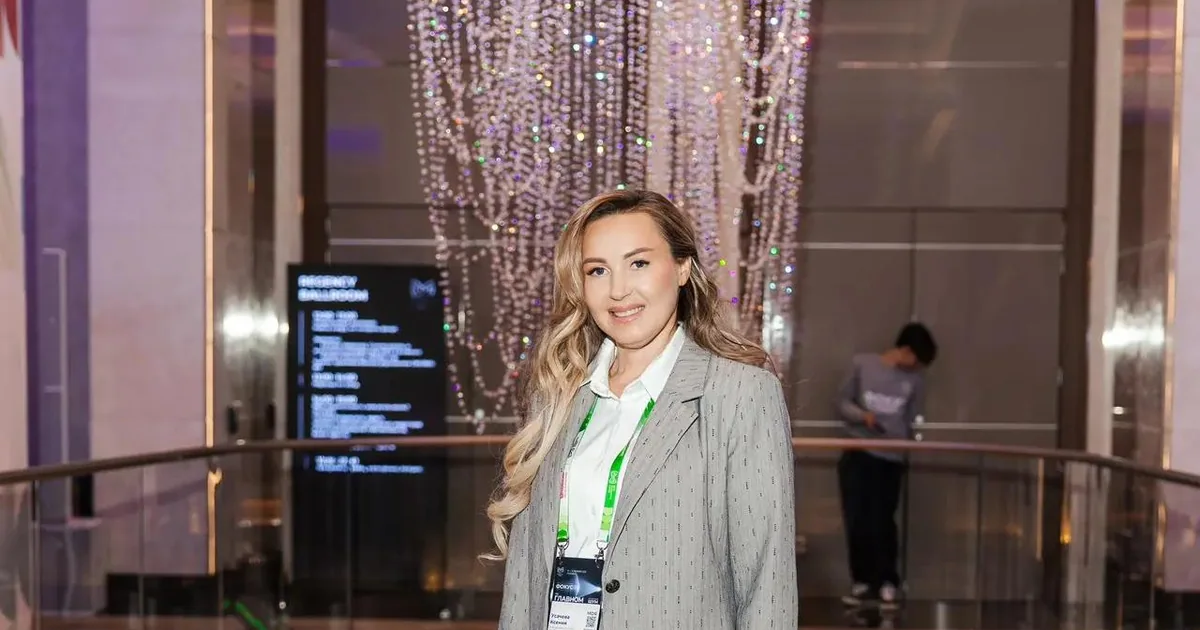
On November 13, 2026, Ksenia Usacheva, founder and CEO of TalkArabicNow and Royal Event and MICE, spoke at the annual MICE Excellence Forum in Moscow. Her presentation addressed Egypt and its contemporary significance in the international tourism market.
The subject brings together several parts of her work: Arabic and the Egyptian dialect, cultural discovery, and the organisation of distinctive trips and corporate events. Travel provides a reason to start a conversation. Language helps visitors discover more of the country through the people they meet.
Egypt at MICE Excellence Forum
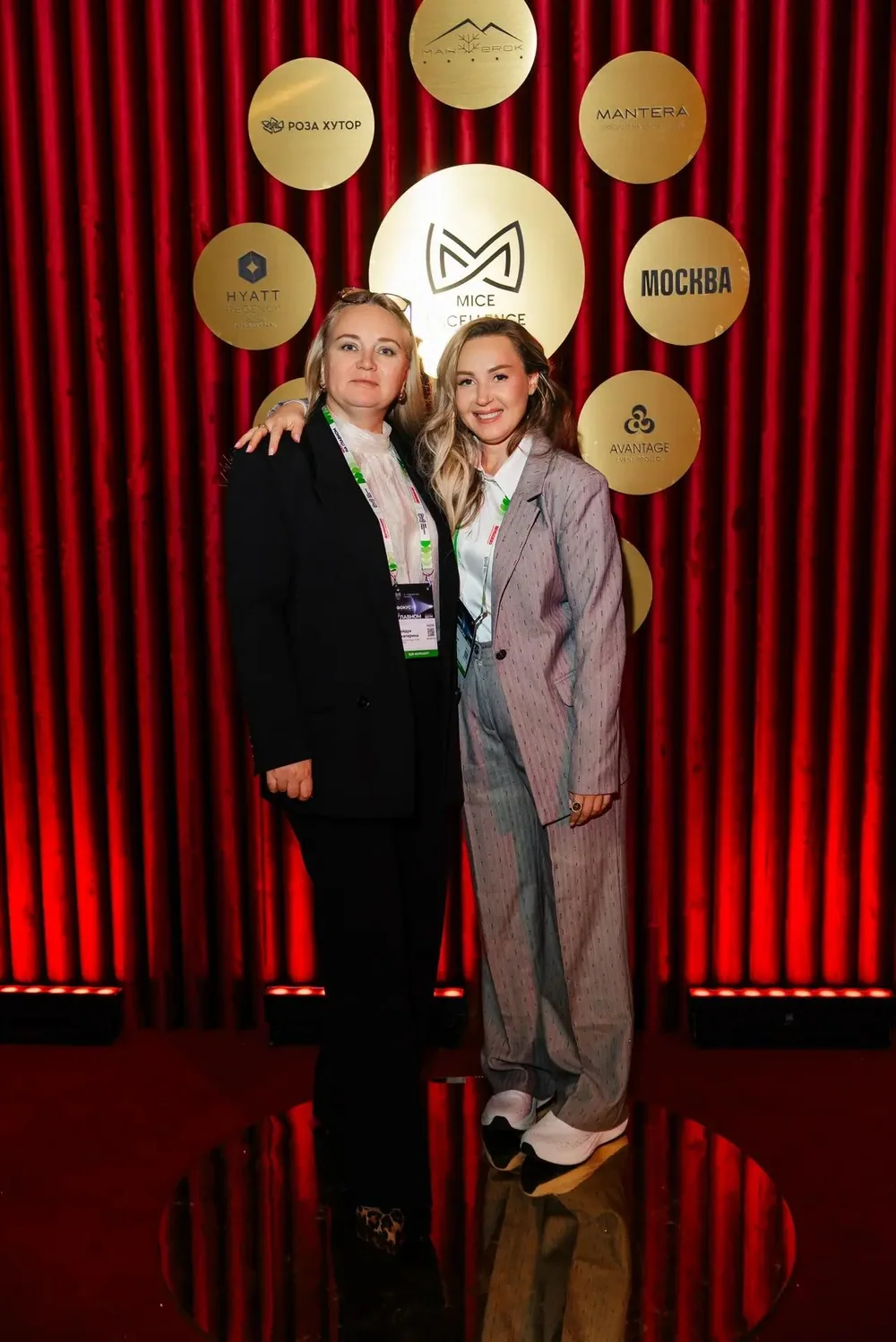
MICE Excellence Forum brings together professionals working in business travel and corporate events. The 2026 forum took place on November 12–14. Its main day, November 13, was held at Hyatt Regency Moscow Petrovsky Park. The official programme lists Ksenia as the founder and managing director of Royal Event and MICE, contributing to a session on international MICE destinations.

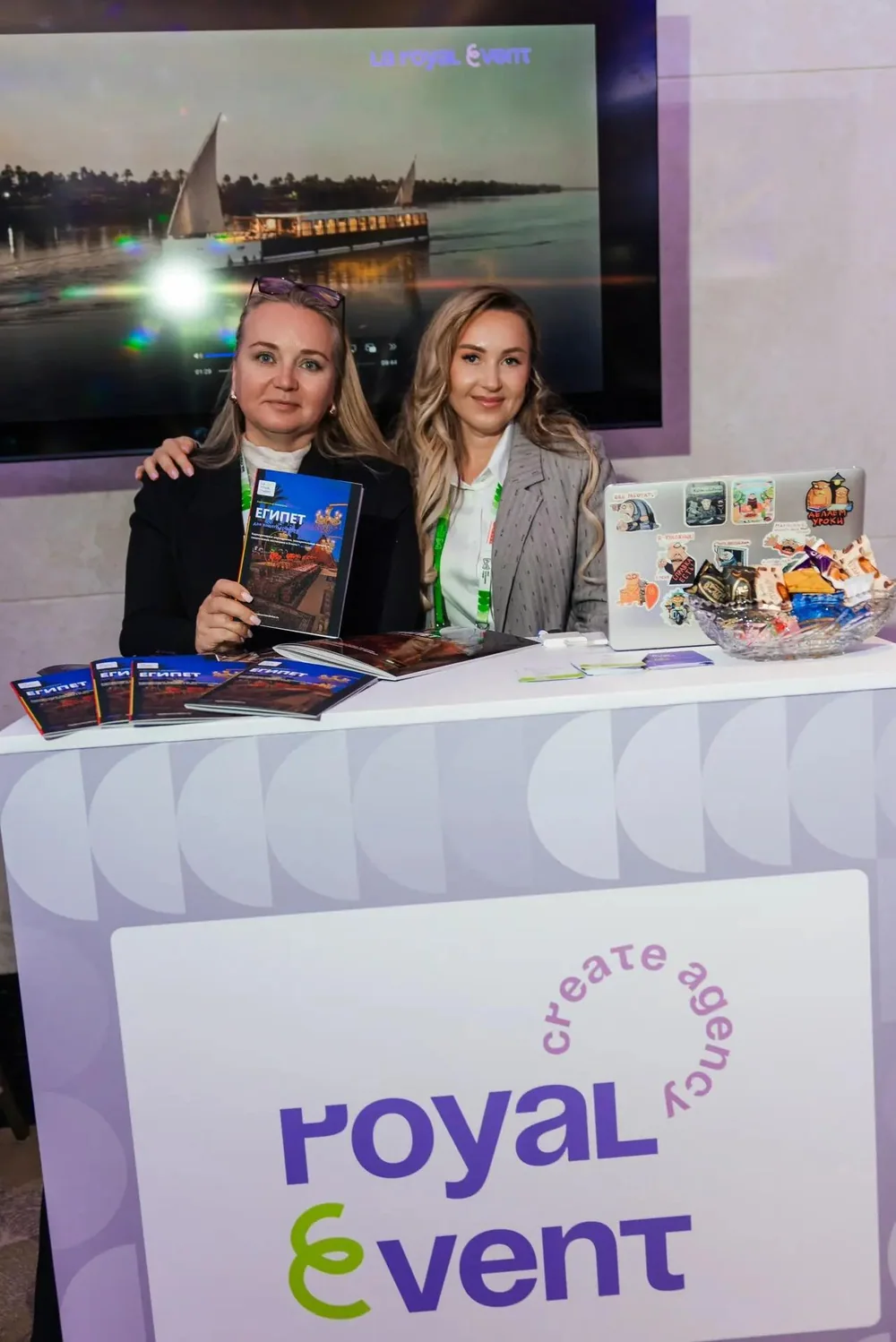
Business meetings at MICE Excellence Forum 2026. Photographs provided by Ksenia Usacheva.
Choosing a destination for a corporate trip also means choosing the setting in which a team will spend time together. What will participants discover? Who will they meet? Which experiences will they take home? These questions help organisers develop a purpose for the programme alongside its venues and itinerary.
In Egypt, cultural encounters and everyday communication can become part of that purpose. A simple language activity gives participants a practical way to engage: address someone in their language, listen to the reply, and try to understand a little more.
Geography, Arabic and travel
Ksenia's first degree was in geography and geoecology. Her subsequent professional work has involved Arabic, particularly Egyptian Arabic. Today, this combines with the organisation of trips and corporate events in Egypt.
Geography encourages a broader view of a destination and its surroundings. Working with language draws attention to the people who live there and the ways they communicate. Alongside asking what visitors should see, there is another useful question: how can they better understand what they encounter?
Travellers can apply this perspective before departure. As well as choosing places to visit, they can select situations in which they would like to act more independently: introduce themselves, order a drink, ask a simple question or thank someone for their help. This gives the trip a personal learning goal.
Two projects with a shared interest
TalkArabicNow focuses on Arabic, including the Egyptian dialect. Royal Event and MICE organises distinctive trips and corporate events in Egypt. Both approaches place value on personal experience and communication as ways to discover the country.
A language lesson benefits from a clear context. Travel supplies that context through introductions, cafés, journeys and everyday encounters. A phrase has an immediate purpose: learners can practise it, try using it, and return to it with a teacher to discuss what happened.
For a corporate group, introductory language activities can become a shared part of the visit. Participants do not need identical starting levels. One person may be hearing Egyptian Arabic for the first time; another may recognise familiar words; someone else may feel ready to attempt a short exchange. The common goal is to make contact.
How language adds to the travel experience
Every visitor forms their own impression of Egypt. It is shaped by the itinerary, the people they meet and how much they understand of their surroundings. Even a small amount of language learning adds details that can be easy to miss when all communication takes place through an interpreter.
A familiar greeting, a recognisable reply or a word heard several times provides an early point of reference. These discoveries do not make a beginner an expert in Egyptian culture. They do encourage closer listening and further questions.
Knowing a few phrases does not guarantee preferential treatment, discounts or an effortless conversation. Its value lies in being able to address someone directly and participate within the limits of what you know.
A useful travel exercise is to choose one short everyday exchange and repeat it on different days. Greeting someone and ordering a familiar drink, for example, gives a beginner a manageable task and a way to notice progress without constantly adding large lists of new vocabulary.
What a five-to-seven-day programme can introduce
TalkArabicNow and Royal Event and MICE have developed programmes that combine a stay in Egypt with an introduction to the language. A five-to-seven-day format is intended to support first practical steps: listening to Egyptian Arabic, becoming familiar with the alphabet, learning useful expressions and trying them during the trip.
These aims can be described through concrete actions:
- greeting people, thanking them and making a polite request;
- introducing yourself and sharing a few simple details;
- asking a familiar question in an everyday situation;
- requesting repetition when an answer is unclear;
- beginning to recognise letters and words you have studied.
Progress depends on previous knowledge, regular participation and practice. A week can provide an opportunity to begin speaking in familiar situations using expressions that have been learned and rehearsed. Flexible conversation and confident understanding of fast speech require continued study.
It helps to keep a personal record of the first exchanges: what you managed to say, which replies you heard, and what you would like to ask next time. This connects lessons with actual experiences and offers a starting point for learning after the trip.
Why Egyptian Arabic matters for this format
For everyday interaction during a visit to Egypt, the programme focuses on Egyptian Arabic. The immediate purpose is to introduce the spoken language that participants can encounter during their stay.
Alphabet work and speaking practice can take place alongside each other. Beginners do not have to complete a writing course before attempting their first oral exchanges. Listening, repeating aloud and rehearsing a short dialogue provide a practical task from the beginning, while letters gradually connect sound with writing.
Short learning materials suit this approach: hear an expression, understand it, repeat it, and practise the situation. After an attempted conversation, learners can discuss which parts of the reply they recognised and where they needed help. This turns an experience into useful feedback.
A trip that can lead to further learning
Royal Event and MICE approaches Egypt through its places, culture and people. TalkArabicNow adds a way to return to what participants have heard, understand a familiar exchange, and take the next step in communication.
At the intersection of these projects is a trip that can leave participants with early language skills as well as photographs. For some, an introductory programme will be a valuable experience in itself. For others, that first conversation may become the beginning of a longer relationship with Arabic.
If this way of discovering Egypt appeals to you, explore Egyptian Arabic with TalkArabicNow. Short dialogues and regular practice can help you prepare for your first conversations during a visit.
Ready to study for real?
Talkarabicnow materials: a free reading base, Living Egyptian and Gulf — with audio, trainers and self-check tests.