Living Egyptian
The “Method” course by Ksenia Usacheva
Module 2 · At the café and the market: I want…
Draft — native-speaker review in progress
How to work through this module
A simple route — go top to bottom and it all clicks.

- 1Listen to the scenes: tap the speaker on every line and follow the transcription. Play each phrase at least twice.
- 2Repeat OUT LOUD after the voice — from the very first scene. Nobody's listening, and your mouth learns only by sound.
- 3Run the trainer: keep doing rounds until it feels easy. Every word in it comes from this module.
- 4Take the module test — 75% or higher means you're ready to move on.
- 5Record your voice assignment — a real teacher will listen and give you personal pronunciation feedback.
- The module takes 2–3 hours. No need to do it in one sitting — come back in chunks, your progress stays.
Don't know the Arabic letters? Perfect — that's by design. You can even switch the script off below and study with transcription only.
What you'll be able to do after this module
After this module you can order coffee the Egyptian way (and answer “how sweet?”), ask for food and water, ask “how much is it”, haggle a little, ask for the bill and say a lovely thank-you. All with numbers 1–10.
How to read our transcription
This is the Method's signature transcription — the same one as in the video transcripts: colours mark the special sounds, and you can read it without knowing a single Arabic letter.
- CAPITALthe stressed vowel — lean on it with your voice: mazbUt, shUkran
- s d t zص ض ط ظred — the “heavy” sounds: big round mouth, dense sound
- ghغa gargled sound, like the French r: ghAli
- hحblue — breathy, a warm sigh from deep in the throat: hAder
- khخraspy, like clearing your throat: khAmsa
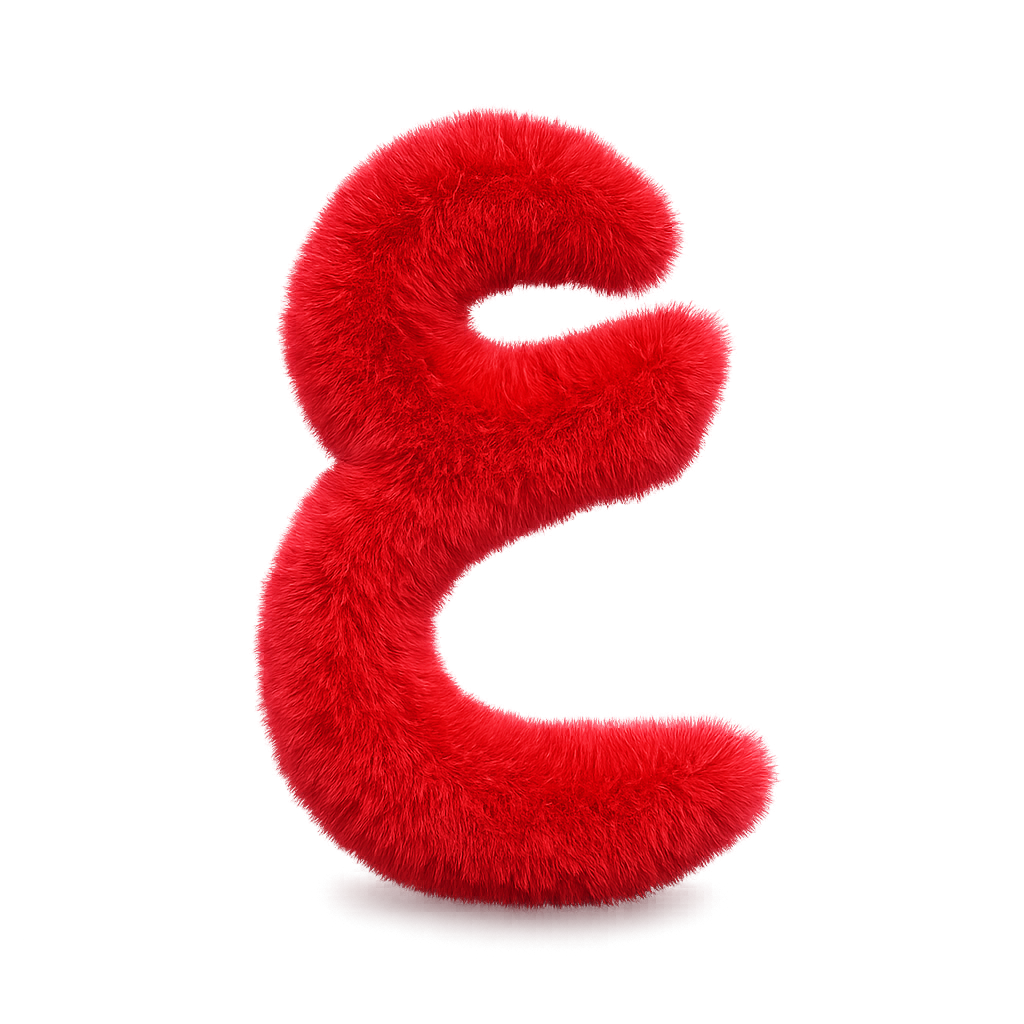
- aa / 3عthe deep throaty sound — the signature “Ayn”
- 'ق ءa short catch-pause in the throat: 'Ahwa
- wوa lippy “w”, as in English: wAhed
- shشa soft “sh”: shAy, shUkran
- gجin Egypt this letter is a hard “g”: ginEh
Scene
At the café: ordering
Anya is back at her favourite café. Heba the waitress already knows her.
🇪🇬 How it's done in Egypt: In Egypt they'll always ask how you take your coffee: sAda — no sugar, mazbUt — “just right”, ziyAda — sweet. Say “mazbUt” and you can't go wrong.
Heba
أهلا بيكي! تحبي تشربي إيه؟
Ahlan bIki! tehEbbi teshrAbi E?
Hi! What would you like to drink?
💡 learn as a chunk; to a man — tehEbb teshrAb E?
Anya
ممكن قهوة، من فضلك؟
mUmken 'Ahwa, min fAdlik?
Could I have a coffee, please?
Heba
قهوة إزاي؟ سادة ولا مظبوط؟
'Ahwa izzAy? sAda wAlla mazbUt?
How do you take it? No sugar or “just right”?
Anya
مظبوط، ومية ساقعة كمان.
mazbUt, wi-mAyya sA'aa kamAn.
“Just right”, and a cold water too.
Heba
حاضر! حاجة تانية؟
hAder! hAga tAnya?
Right away! Anything else?
💡 hAder — “on it / right away”: every waiter's favourite word
Anya
أيوة، عايزة طعمية وسلطة.
Aywa, Ayza ta3mEyya wi-salAta.
Yes, I want ta3meya (falafel) and a salad.
💡 Ayza — “I want” (f); a man says Ayz
Heba
تمام. خمس دقايق!
tamAm. khAmas da'Aye'!
Great. Five minutes!
Anya
شكرا!
shUkran!
Thanks!
Scene
At the market: how much?
After lunch Anya heads to the market for sweets. Umm Ahmad runs the stall.
🇪🇬 How it's done in Egypt: Haggling at the market isn't rude — it's a game they expect you to play. “da ghAli Awi!” (“that's so expensive!”) is a perfectly fair opening move. And the best reply to a compliment about your Arabic is “shwAyya shwAyya” (“little by little”).
Umm Ahmad
اتفضلي يا مادام!
etfAddali ya madAm!
Welcome, madam! (come, have a look)
Anya
دي حلاوة؟ بكام دي؟
di halAwa? bikAm di?
Is this halva? How much is it?
Umm Ahmad
دي بخمسين جنيه.
di bi-khamsIn ginEh.
It's fifty pounds.
Anya
خمسين؟! دا غالي أوي!
khamsIn?! da ghAli Awi!
Fifty?! That's so expensive!
Umm Ahmad
طب أربعين، عشان خاطرك.
Tab arbe3In, 3ashAn khAtrik.
Fine, forty — just for you.
💡 3ashAn khAtrik — “for your sake”: the golden haggling phrase
Anya
ماشي، هاخد اتنين.
mAshi, hAkhod etnIn.
Okay, I'll take two.
Umm Ahmad
بتتكلمي عربي كويس أوي!
betetkAllemi 3Arabi kwAyyis Awi!
You speak Arabic so well!
Anya
شوية شوية!
shwAyya shwAyya!
Little by little!
Scene
The bill, please
In the evening Anya is back at the café finishing her salad and asks for the bill.
Anya
الحساب، لو سمحتي.
il-hisAb, law samAhti.
The bill, please.
💡 law samAhti — to a woman; to a man — law samAht
Heba
حاضر. اتنين وستين جنيه.
hAder. etnIn wi-settIn ginEh.
Sure. Sixty-two pounds.
Anya
اتفضلي. الأكل كان لذيذ أوي!
etfAddali. il-Akl kAn lazIz Awi!
Here you go. The food was delicious!
Heba
بالهنا والشفا!
bil-hAna wish-shEfa!
To your health! (bon appétit)
💡 the set reply when you praise the food — “with joy and health”
Anya
شكرا! مع السلامة!
shUkran! mA3a s-salAma!
Thanks! Goodbye!
Heba
تعالي تاني يا قمر!
ta3Ali tAni ya Amar!
Come again, beautiful!
Module vocabulary
Tap the speaker and repeat out loud — native-voice audio. To test yourself, hide the translation or the word itself: tap anything hidden to peek.
Want and may
Drinks
Coffee the Egyptian way
Food
Numbers 1–10
Price and money
Table politeness
First letters — just recognise them
You already say these words. See how they're written — no writing needed yet.

Why does a letter have four shapes?
Arabic letters are written joined-up — like cursive handwriting: a letter holds hands with its neighbours and changes shape at the start, middle and end of a word. It is the SAME letter, just with different “tails”. No European language does this, so it feels strange at first. Watch the letter Meem (“m”, in red) live inside three words:
مِن
мин
initial
تَمام
тамЭм
medial
اِسْم
исм
final
No need to worry: you'll learn to recognise the shapes gradually, word by word — no handwriting required at this stage.
Sheen
“sh” — like in “shAy”
ش
isolated
ـش
final
ـشـ
medial
شـ
initial
- شايshAy— tea
- شُكْراًshUkran— thanks
Ain
the deep throaty “aa” — Arabic's signature sound
ع
isolated
ـع
final
ـعـ
medial
عـ
initial
- عايْزَةAyza— I want (f)
- عَصير3asIr— juice
- عيش3Esh— bread
Lam
a normal “l”
ل
isolated
ـل
final
ـلـ
medial
لـ
initial
- لَذيذlazIz— delicious
- فُلوسfulUs— money
- لَبَنlAban— milk
Waw
“w” (with the lips) or a long “oo”
و
isolated
ـو
final
ـو
medial
و
initial
- واحِدwAhed— one
- فُلوسfulUs— money
Ya
“y” or a long “ee”
ي
isolated
ـي
final
ـيـ
medial
يـ
initial
- شايshAy— tea
- جِنيهginEh— pound
Haa
a breathy “h” from deep in the throat — like fogging up a window
ح
isolated
ـح
final
ـحـ
medial
حـ
initial
- حاضِرhAder— right away
- الحِسابil-hisAb— the bill
Magic text
The Method's signature trick: this is a normal English text, but the letters you already know are ARABIC — shown in the shape they would take inside a real word. Read as usual — your eyes get used to the script by themselves. The “which letter = which sound” cheat sheet is on the panel above. Tap an Arabic word and it speaks, with its transcription written right next to it.
11 of 11 letters enchanted
Each chip is a cheat sheet: the Arabic letter = the sound it replaces. Tap a chip to switch that letter on or off in the text. Inside the text the letter changes shape — it looks different at the start, middle and end of a word (hover it and it introduces itself).
Iـن تــحـe مـorـنـiـنـg اـنــيــا orderـس ا مــاzـبـuـت اـنـd وiـتــح cـحـeeـسـe. For لـuـنـcـح شـe حــاـس — Egـيـpـت'س مـoـســت fـاـمـouـس diـش. اfـتـer لـuـنـcـح شـe وـاـلـkـس تـo تــحـe مــاrkeـت, pickـس سـoـمـe اـنـd بـrـاveـلــي ســاـيــس: تــحــاـت iـس سـo expeـنــسـive! تــحـe سـeـلــلـer لــاugـحــس اـنـd giveـس iـن — juـســت for يـou, مــاdـاـم. Iـن تــحـe eveـنـiـنـg اـنــيــا couـنــتــس حـer coiـنــس اـنـd repeـاـتــس تــحـe نـuـمــبـerـس: oـنـe, تــوo, تــحـree… Iـت iـس اـلــل وorkiـنـg ouـت — لـiـتــتــلـe بــي لـiـتــتــلـe!
- 'Ahwa— coffee
- 3Esh— bread
- kOshari— koshari
- halAwa— halva
Phrase bricks
An Egyptian phrase is a builder's kit: words simply stand next to each other, in the same order you say them. Read the bricks left to right: each shows a word and its literal meaning. Tap a brick to hear the word, tap the speaker on the right for the whole phrase.
I want a coffee.
💡 “Want” is a single state word — no verb needed. A man says 3Ayz.
Could I have some water?
💡 mUmken + anything = a polite request. Two bricks are enough.
How much is this?
That's very expensive.
💡 Descriptions need no verb either: “this — expensive — very”. Awi always comes last.
How it works
“I want” in one word: 3ayez / 3ayza
Your first magic “state word”: a man says Ayz, a woman says Ayza — no verb needed. Then just name what you want. Don't want it? mish Ayza. To ask someone: (Enta) Ayz E? / (Enti) Ayza E?
- أنا عايزة قهوةAna Ayza 'Ahwa— I want a coffee (f)
- مش عايزة سكرmish Ayza sUkkar— I don't want sugar
- إنتي عايزة إيه؟Enti Ayza E?— what do you want? (f)
mUmken — the magic politeness key
mUmken + anything = a polite “could I have…?”. It's the simplest way to ask for anything anywhere: cafés, taxis, hotels. Add min fAdlik — and you already sound more polite than half the tourists.
- ممكن مية؟mUmken mAyya?— could I have some water?
- ممكن الحساب، من فضلك؟mUmken il-hisAb, min fAdlik?— could I have the bill, please?
- ممكن صورة؟mUmken sUra?— could I take a photo?
bikAm? — price and numbers
“How much?” = bikAm + da (this, m) / di (this, f). The answer: bi + number + ginEh. To order several: number + word (etnIn shAy — two teas). Numbers 1–10 from the vocab cover almost any purchase.
- بكام دا؟bikAm da?— how much is this?
- دا بعشرة جنيهda bi-3Ashara ginEh— it's ten pounds
- اتنين شاي، من فضلكetnIn shAy, min fAdlik— two teas, please
da / di — “this” masculine and feminine
Pointing is easy: da — for masculine words, di — for feminine ones (almost everything ending in -a). da ghAli! — that's expensive. di halAwa? — is this halva? The noun comes AFTER: da kOshari, di salAta.
- دا لذيذ أوي!da lazIz Awi!— this is so delicious!
- دي قهوة مظبوط؟di 'Ahwa mazbUt?— is this a “just right” coffee?
- دا غالي، ودا رخيصda ghAli, wa-da rikhIs— this one's expensive, that one's cheap
Politeness always remembers gender
All politeness formulas change with the gender of the person you're TALKING TO: to a waiter — min fAdlak, law samAht, hAt; to a waitress — min fAdlik, law samAhti, hAti. Same principle as module 1 (izzAyyak/izzAyyik) — now serving you food.
- هاتي مية، لو سمحتيhAti mAyya, law samAhti— bring some water (to a waitress)
- هات الحساب، لو سمحتhAt il-hisAb, law samAht— bring the bill (to a waiter)
Build your story
Build your order
Here's your café-visit skeleton — plug in your own drinks and food from the vocab. Listen to each line, repeat out loud, then act the whole scene yourself: from “could I have…” to “so delicious”. That's exactly your voice assignment.
- ممكن المينيو، من فضلك؟mUmken il-menu, min fAdlik?— Could I have the menu, please?
- أنا عايزة قهوة مظبوط.Ana Ayza 'Ahwa mazbUt.— I want a “just right” coffee.
- وكمان طعمية وسلطة.wi-kamAn ta3mEyya wi-salAta.— And also ta3meya and a salad.
- بكام دا؟bikAm da?— How much is it?
- الحساب، لو سمحتي.il-hisAb, law samAhti.— The bill, please.
- الأكل كان لذيذ أوي!il-Akl kAn lazIz Awi!— The food was delicious!
- شكرا! مع السلامة!shUkran! mA3a s-salAma!— Thanks! Goodbye!
Module trainer
Drill every word of the module: translation, transcription and listening, all mixed. Each round is a fresh dozen. Keep going until it feels easy — then take the test.
Question 1 of 30
Round 1
How do you say in Egyptian: «give / bring (m / f)»?
Module test
Question 1 of 20
Politely ask for a coffee — fill the gap.
— 'Ahwa, min fAdlik?
Voice assignment
Reviewed by a real teacherRecord a voice message (1–2 minutes) — your café visit from the “Build your order” template: greet, order a drink (say how you take your coffee!), order food, ask for something without sugar or meat, ask “how much”, ask for the bill and finish with “the food was delicious, thank you!”. 7–9 phrases, peeking allowed. Your teacher will listen and review your pronunciation.
Voice submission opens in your account once the course launches.